You bought a new laptop. Maybe the old one finally gave up, maybe you just wanted faster hardware. Either way, there's a quiet headache waiting on the other side of that exciting unboxing: getting all your paid software running again without losing access or wasting a license slot. Done carelessly, you can end up locked out of an app you paid good money for, staring at an "activation limit reached" message at the worst possible moment.
The good news is that for most modern software, transferring a license to a new computer is a routine process — if you do the steps in the right order. The mistake people make is junking the old machine first and figuring out the licenses later. This guide walks through how to transfer a software license to a new computer cleanly, what to do when there's no obvious "deactivate" button, and how to keep your license keys organized so the next migration takes ten minutes instead of an afternoon.
What "transferring" a software license actually means
Before touching any settings, it helps to understand what's happening under the hood. A software license is a legal and technical permission to use a program. The technical enforcement of that permission — the activation — usually works in one of a few ways:
- Account-based activation: You sign in (think Adobe, Microsoft 365, most subscription apps) and the software checks your account. Moving machines is usually just signing out on one device and in on the other.
- Key-based with seat limits: You enter a license key, and the vendor's server tracks how many devices that key is active on. These often need an explicit deactivation step before you reuse the key elsewhere.
- Hardware-locked (machine fingerprint): The license binds to a fingerprint of your computer — CPU, motherboard, MAC address. These are the trickiest, because the new machine looks like a stranger to the licensing server.
- Offline / perpetual keys: Older desktop utilities and some perpetual licenses don't phone home at all. You just need the key and the installer.
Knowing which type you're dealing with tells you exactly what to do. If you're still deciding between buying perpetual or subscription software in the first place, our breakdown of perpetual license vs subscription software covers how each model affects portability between machines.
Before you wipe the old machine: the pre-migration checklist
This is the part people skip, and it's the part that saves you. Do not erase, sell, or recycle the old computer until every license is confirmed working on the new one. Treat the old machine as your safety net.
1. Inventory everything you actually paid for
Open a simple spreadsheet and list every piece of paid software: the product name, where you bought it, the license key or account email, and the activation type. You'll be surprised how much you've accumulated. If you've never done this exercise, it pairs perfectly with a broader cleanup — see our guide on how to audit your software subscriptions and cancel what you don't use before you bother migrating things you no longer need.
2. Locate your license keys and purchase receipts
Dig through your email for purchase confirmations. Vendors almost always email the key at checkout. If you bought from a marketplace, your keys usually live in your account dashboard — for example, LionScripts customers can re-download products and view keys directly in their account, which means a lost key is rarely a real emergency.
3. Deactivate where the software lets you
For seat-limited and account-based software, sign out or deactivate on the old machine first. Most apps have this buried in Help → Manage License or Account → Devices. Freeing the seat before you activate the new install avoids tripping the device limit.
How to transfer a software license to a new computer, step by step
Here's the reliable sequence that works for the vast majority of programs:
- Confirm the new machine meets the system requirements. No point activating a license on hardware the software won't run on well.
- Deactivate on the old machine (account-based and seat-limited software). Skip this only for offline perpetual keys that don't track devices.
- Download a fresh installer from the official source. Don't copy the program folder across — install clean. Re-downloading from your vendor or marketplace account guarantees you get the current, untampered build.
- Install, then activate with your key or by signing in.
- Verify full functionality — open a real document, run an actual task, confirm premium features unlocked.
- Only now wipe or dispose of the old machine.
One important habit: always pull installers from the original vendor, not a random "download" site. Re-installing is exactly the moment people get burned by lookalike sites bundling malware. If you're unsure whether a source is legitimate, our piece on how to buy software online safely explains the red flags to watch for, and the same logic applies to re-downloads. The whole reason a curated software marketplace exists is so you don't have to gamble on where a file came from.
Handling the hard cases: hardware-locked and dead computers
Not every migration is tidy. Two scenarios cause most of the support tickets.
When the old computer is dead and you couldn't deactivate
If the machine won't boot, you obviously can't click "deactivate." For seat-limited software, contact the vendor's support and explain that the device failed. Reputable vendors will release the orphaned seat for you, often within a day. This is one reason buying from a vendor with responsive humans matters — when you need a seat reset, you want a real support channel rather than a dead inbox.
When the license is locked to hardware
Hardware-fingerprinted licenses (common in some Windows utilities and creative tools) treat a new PC as a new machine. Expect to request a reactivation or a license reset. Have your purchase receipt ready — the vendor will usually verify ownership and issue a new activation. Document the request date in your spreadsheet so you're not guessing later.
When migrating between different operating systems
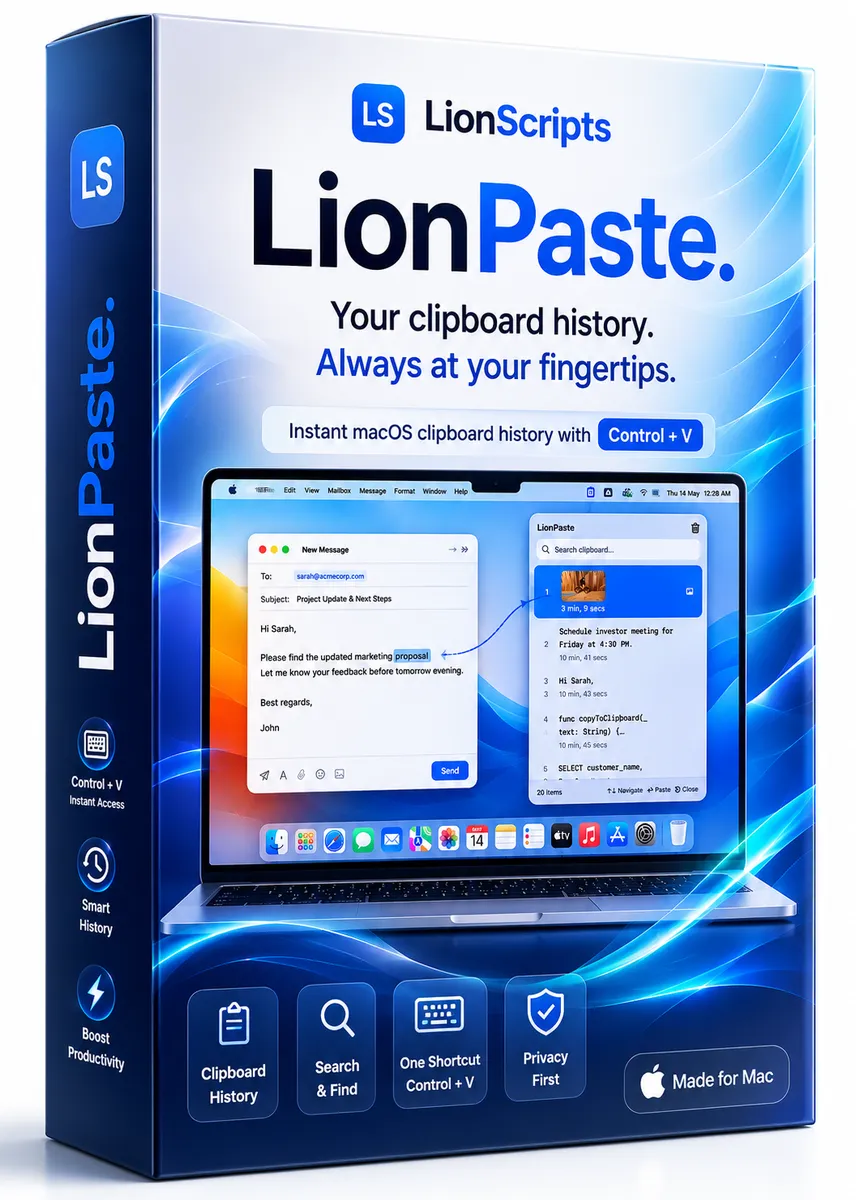
Moving from Windows to a Mac (or vice versa) isn't really a "transfer" — it's a re-entitlement. Some licenses are cross-platform; many aren't. Check the license terms before you assume your key carries over. If portability matters to you, it's worth favoring apps built to run everywhere from the start; we rounded up some strong options in our look at the best cross-platform software for Windows, macOS, and Linux. A clipboard manager like LionPaste is a good example of a tool you'll want migrating cleanly with you — read the full LionPaste review to see why.
Don't forget server-side and web-based licenses
Migrating a personal computer is one thing. If you run a website, your "licenses" often live on a server, not your laptop — and those need attention too. Plugins and extensions that protect your site are tied to the domain or a license key entered in the admin panel, so changing your local machine doesn't affect them. But it's a natural moment to audit them.
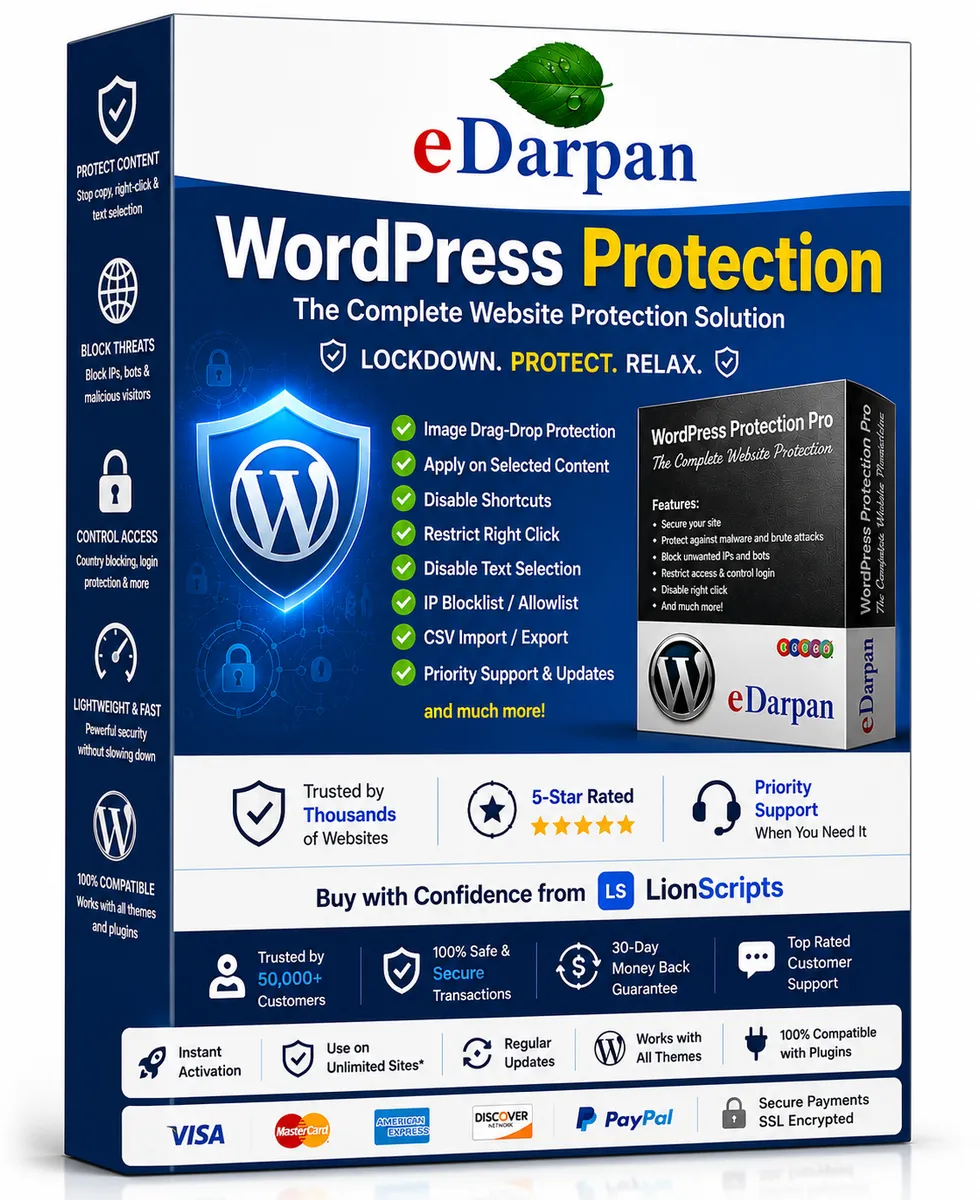
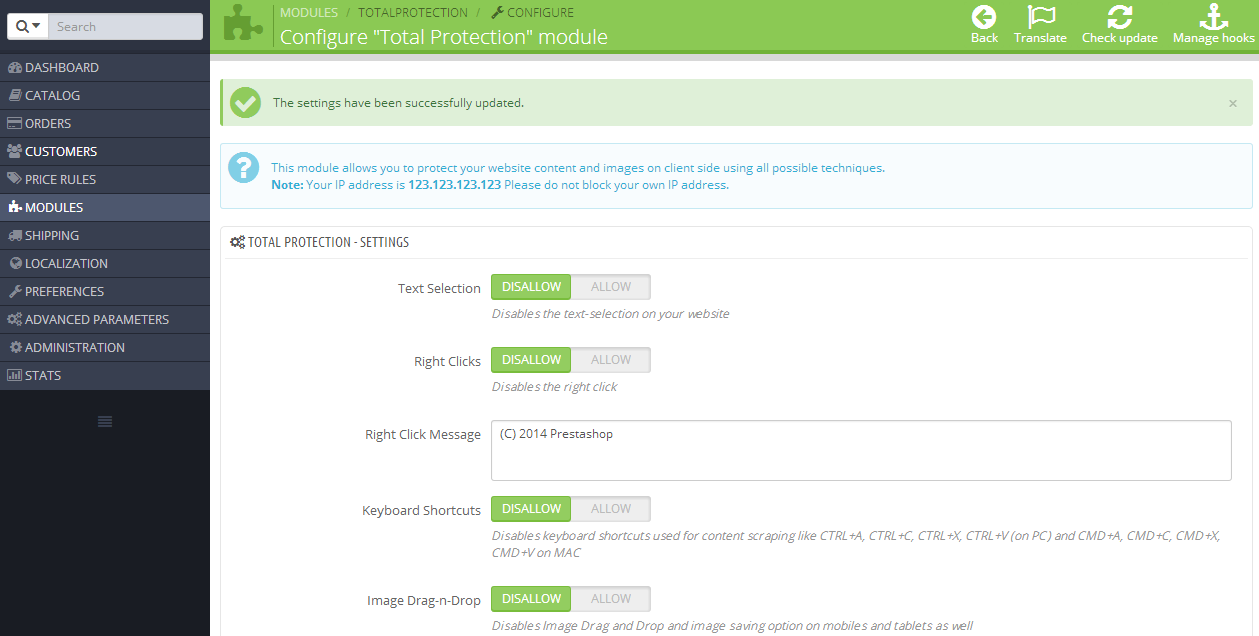
If you manage a WordPress site, confirm that protection tools like eDarpan WordPress Protection and the WordPress IP Blocker Pro plugin are still active and licensed to your domain. Joomla and PrestaShop owners should similarly verify Joomla Copy Protection Pro or Prestashop Total Protection Pro after any major environment change. Browsing the full list of WordPress plugins in one place makes it easy to confirm what you own versus what's lapsed.
Build a system so the next migration is painless
The best time to organize your licenses is right after a migration, while everything is fresh. A few durable habits:
- Keep one master license document (encrypted or in a password manager) with product, key, purchase date, and vendor URL.
- Save installers and receipts in a dedicated cloud folder so re-downloads are instant.
- Prefer vendors with re-downloadable keys. When your keys live in a marketplace account, a lost key isn't a crisis.
- Verify keys are genuine when you buy. Migration problems often trace back to a sketchy key purchased cheap; our guide on spotting fake software license keys before you buy is worth a read.
For desktop power users, a few utilities make a clean reinstall smoother — tools in our desktop utilities and Windows software categories, like Windows Symlink Creator Pro, can help you relink data folders without copying gigabytes around. When you're ready to set up the new machine properly, the LionScripts marketplace is a sensible starting point.
Frequently Asked Questions
Can I transfer a software license to a new computer for free?
In most cases, yes. Transferring a license you already own typically costs nothing — you're moving an existing entitlement, not buying a new one. The exception is some hardware-locked licenses where a vendor charges a small reactivation fee, which is uncommon among reputable sellers.
What happens if I don't deactivate the license on my old computer first?
For seat-limited software, you may hit an "activation limit reached" error on the new machine because the old install is still holding a seat. You can usually fix this by deactivating remotely through your account or by contacting support to release the seat. It's far less hassle to deactivate before you migrate whenever possible.
How do I transfer a license if the old computer is broken or stolen?
Contact the software vendor with your proof of purchase and explain the situation. Most will manually release the orphaned activation so you can install on the new device. This is exactly why keeping receipts and using a vendor with a real support channel pays off.
Do website plugin licenses transfer when I get a new computer?
No — plugin and extension licenses are tied to your domain or a key stored on the server, not your personal computer. Changing your laptop has no effect on them. Just make sure you keep the license keys in your records so you can manage renewals and re-installs from any machine.
Should I copy the program folder to the new PC instead of reinstalling?
Avoid it. Copying program files often misses registry entries, system dependencies, and activation data, leading to broken installs. Always download a fresh installer from the official source and activate cleanly — it's more reliable and avoids carrying over any corruption from the old system.
How can I keep track of all my license keys for future migrations?
Cover image: My computer by heinousjay, licensed under BY-SA 2.0 via Openverse.