Linux is the same OS twice — on your laptop and on the servers it talks to. The right software for each is different. This guide splits them.
For Linux servers running websites
If your server hosts WordPress, the most impactful tools you can install are at the application layer:
- WordPress IP Blocker Pro for IP and country-level blocking. Free, lightweight, replaces SaaS WAF subscriptions for most sites. Setup walkthrough.
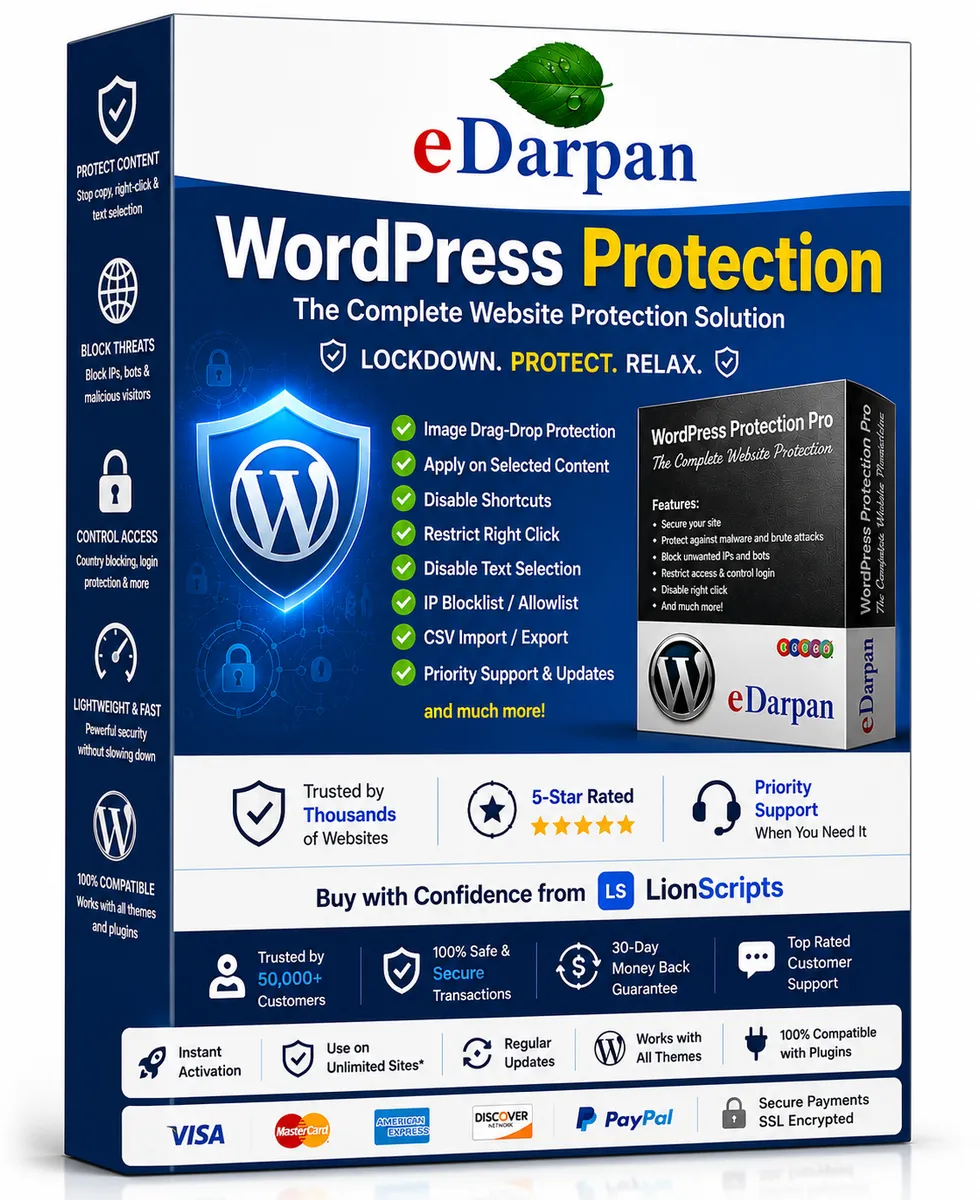
- eDarpan WordPress Protection for content theft and bot defense.
- Webmaster Tools Suite for one-click verification of search engine consoles.
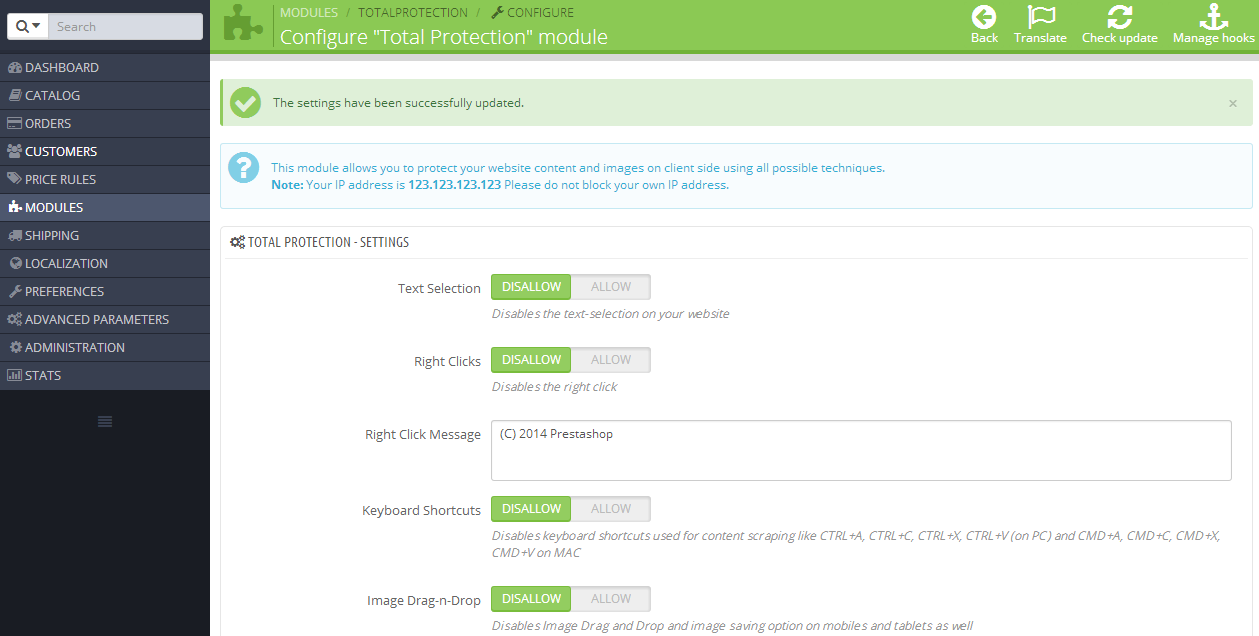
Running Joomla or Prestashop instead? Joomla Copy Protection Pro and Prestashop Total Protection Pro cover the same ground for those CMSes.
For Linux servers in general
- fail2ban on every public-facing server. Free, low maintenance, blocks 90% of brute-force attempts before they matter.
- Unattended security updates (
unattended-upgradeson Debian/Ubuntu,dnf-automaticon Fedora). Set them up once. - UFW or nftables set to default-deny incoming. Open only what you need.
- SSH key auth only, no passwords.
PasswordAuthentication noinsshd_config.
For Linux desktops
Most great Linux desktop software is open-source and free. The bigger wins come from configuration discipline than from buying tools. That said — if you also use a Mac, the cross-device picks like CalculatorX on your phone still apply.
What most "best Linux software" lists get wrong
- They list distributions ("best Linux distros"). The distribution barely matters once your tools are installed.
- They optimize for what looks pretty in a screenshot. Optimize for what your hands do every day.
- They list the same five terminals. Pick whichever supports your color scheme; spend time on the shell, not the emulator.
Browse the full Linux catalog
See all Linux software on LionScripts. For backup strategy on servers, see a practical backup strategy.