The move to "everything in the cloud" was the dominant story of the 2010s. The 2020s look more nuanced. Three forces are pushing teams back toward self-hosted software.
1. Subscription fatigue is real
The average mid-size business pays for 130+ SaaS subscriptions. Most of them auto-renew quietly. The total cost is wild and rarely audited. Self-hosted alternatives have a clear one-time price tag.
2. Privacy regulations got serious
GDPR, CCPA, India's DPDP Act, and similar regulations make data residency a compliance issue, not a preference. Self-hosting puts you in clear control of where data sits.
3. The infrastructure to self-host got dramatically easier
Docker, Tailscale, Caddy, and modern VPS pricing turn what used to be a sysadmin job into a one-evening setup. The skill ceiling for hosting a small set of internal tools is now genuinely accessible.
Self-hosted picks for WordPress operators
The WordPress space is where self-hosting still wins decisively against SaaS:
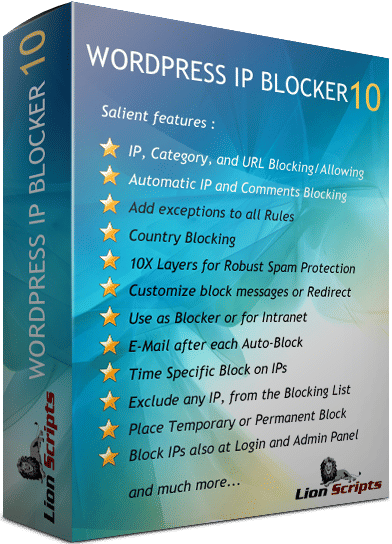
- WordPress IP Blocker Pro — replaces $20-50/month WAF subscriptions. Setup walkthrough.
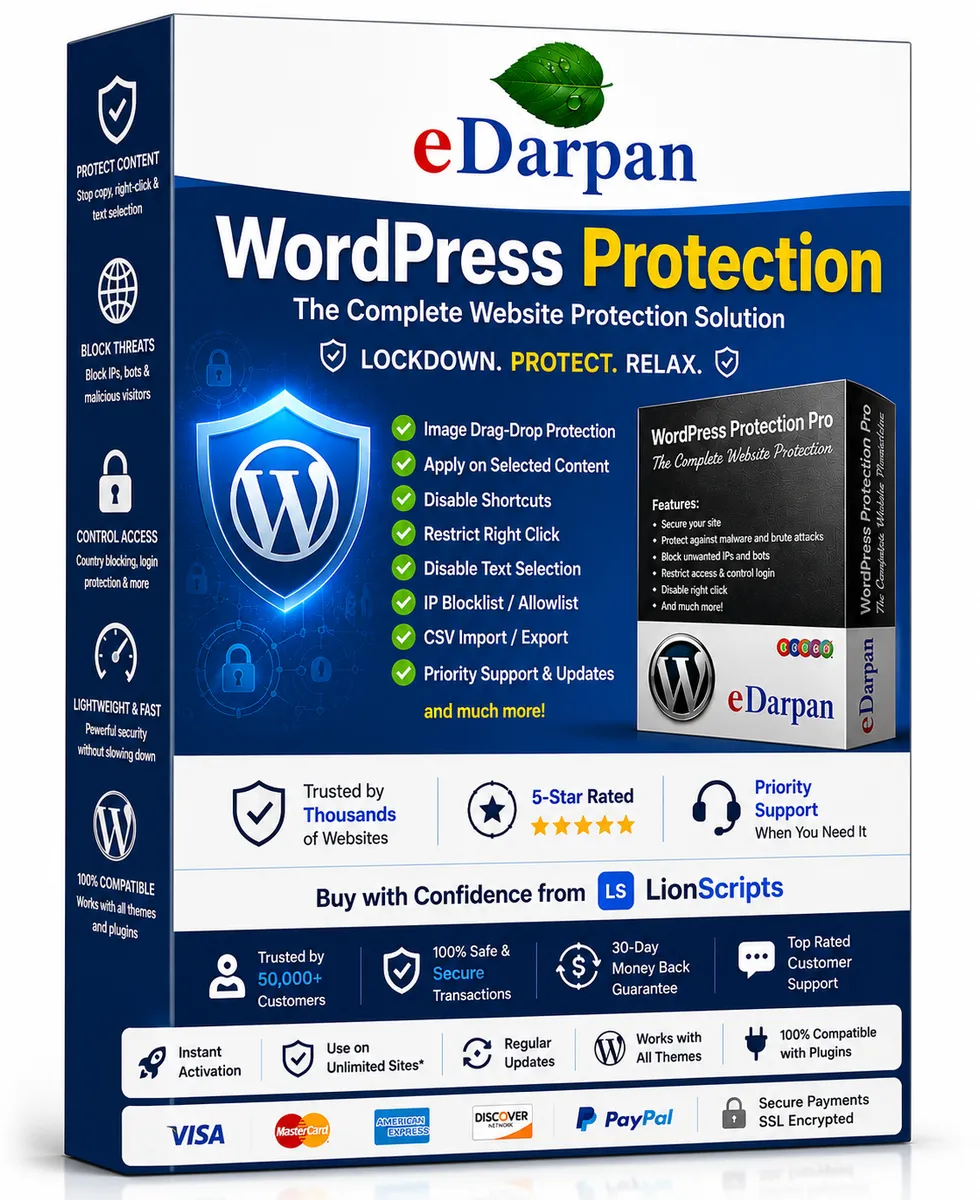
- eDarpan WordPress Protection — content theft and bot defense, runs locally.
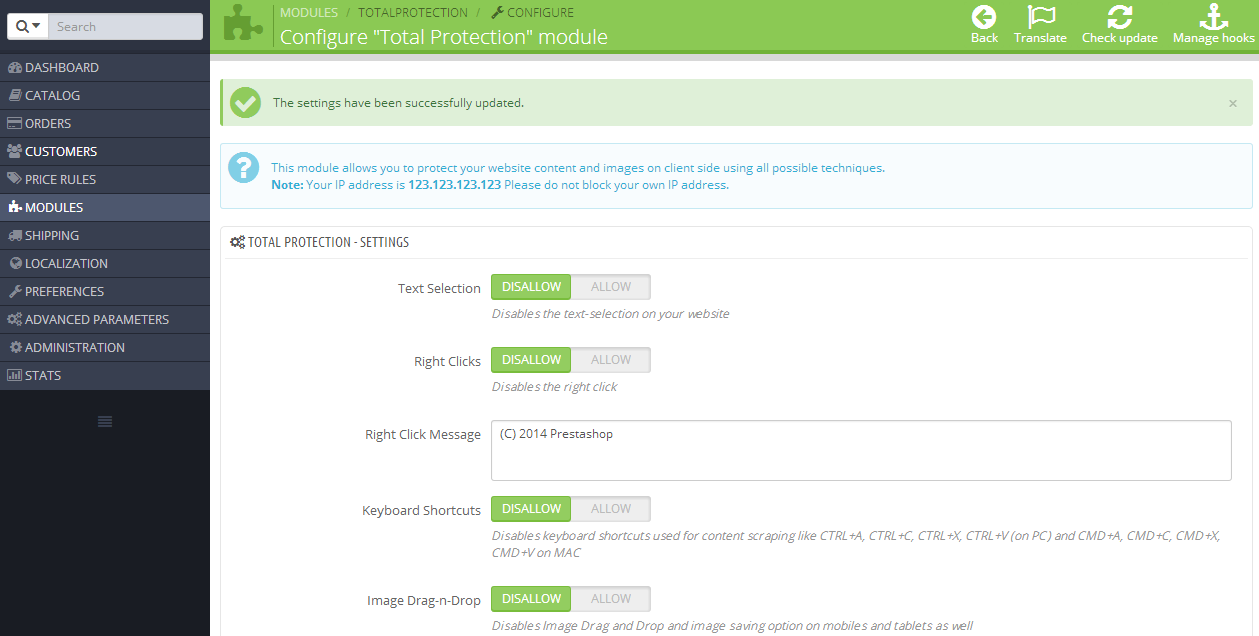
- Joomla Copy Protection Pro and Prestashop Total Protection Pro — same logic for those CMSes.
What is still better in the cloud
- Live collaboration tools (Figma, Linear, etc.).
- Anything where 99.99% uptime matters more than full control.
- Tools used heavily by external customers — keep them on managed infra.
You don't have to pick a side. Most healthy software stacks are a mix. See our full self-hosted vs SaaS guide.