Five years after Apple shipped the first M1 chip, the question "can I still run Windows on my Mac?" has a more complicated answer than it did in the Intel era. The old comfort blanket, Boot Camp, is gone. There is no dual-boot Windows on Apple Silicon and there never will be, because Apple removed the firmware hooks that made it possible. Yet the demand hasn't disappeared. If anything it's grown, as developers, accountants, and engineers keep discovering that one critical app, a legacy line-of-business tool, or a Windows-only game refuses to move to macOS.
Here's the surprising part: the ARM version of Windows 11 now runs so well inside a virtual machine on an M-series Mac that Microsoft finally started selling it directly to consumers in late 2024, ending years of "unsupported but works" limbo. Benchmarks from independent testers routinely show an M3 Pro running Windows 11 ARM in a VM within 10 to 15 percent of comparable native x86 laptops for everyday productivity work. The catch is that "runs well" and "runs safely" are two different projects.
This guide walks through every realistic way to run Windows on an Apple Silicon Mac in 2026, which apps actually work, how much you'll spend, and, most importantly, how to keep a Windows environment on your Mac from becoming the weakest link in your security. I use these tools daily on an M2 MacBook Pro, so this is field notes, not marketing.
Key Takeaways
- Boot Camp is dead on Apple Silicon. Virtualization is the only supported route, and it runs Windows 11 on ARM, not the x86 version most people picture.
- Your realistic options are Parallels Desktop, VMware Fusion (free for personal use), UTM (open source), and CrossOver (for apps without a full VM).
- Windows 11 ARM emulates x86 and x64 apps well enough for productivity, but native ARM apps and 3D-heavy games remain hit-or-miss.
- A Windows VM is a second attack surface. Snapshot it, isolate its network, and keep it patched or it becomes an infostealer's playground.
- Budget roughly $100–$200 per year for Parallels plus a legitimate Windows license, or $0 with VMware Fusion and UTM if you're willing to tinker.
Why Boot Camp Is Gone and What Replaced It
Boot Camp let Intel Macs boot natively into Windows. It worked because those Macs used the same x86 architecture as PCs. Apple Silicon uses ARM, so there is no native x86 Windows to boot into, and Apple deliberately locked down the boot process. There is no workaround coming.
What replaced it is virtualization: software that creates a fake computer inside your Mac, then installs Windows on ARM into it. Apple built a low-level Virtualization framework into macOS specifically for this, which is why modern VM apps feel snappier than the clunky emulators of a decade ago.
The key distinction to internalize:
- Virtualization runs Windows 11 ARM at near-native speed, then emulates older x86/x64 apps on top of it. This is what Parallels, VMware Fusion, and UTM do.
- Translation layers like CrossOver skip Windows entirely and run individual Windows apps directly on macOS. Lighter, but not everything works.
If your goal is a full Windows desktop, you want virtualization. If you only need one or two specific apps, a translation layer may save you the overhead. For a broader look at what runs natively versus in a VM, our operating systems category and Windows software listings are a useful reference point when you're deciding what actually needs Windows at all.
Comparing the Four Real Options in 2026
There are only four tools worth your time. Here's how they stack up on the criteria that matter.
| Tool | Type | Cost (2026) | Best for | Ease of setup | 3D / gaming |
|---|---|---|---|---|---|
| Parallels Desktop | Virtualization | $99.99/yr (Standard) | Non-technical users, one-click Windows install | Easiest | Good (DirectX 11/12 partial) |
| VMware Fusion | Virtualization | Free (personal) | Budget users comfortable with a manual ISO | Moderate | Fair |
| UTM | Virtualization (open source) | Free ($9.99 App Store tip) | Tinkerers, older OS emulation, full control | Harder | Weak |
| CrossOver | Translation layer | $74/yr | Single Windows apps, no full Windows needed | Easy per-app | Varies wildly |
My honest take after using all four: Parallels is the tool I recommend to people who value their time. It downloads and configures Windows 11 ARM in one click, handles shared folders and clipboard automatically, and its coherence mode blends Windows apps into the macOS desktop cleanly. VMware Fusion is genuinely free now for personal use and nearly as capable, but you supply your own Windows ARM ISO and do more manual setup. UTM is the power-user favorite and the only one that will happily run ancient operating systems for retro projects. CrossOver is the odd one out, but if all you need is a single Windows accounting app, it's the lightest footprint by far.
A Worked Example: Setting Up Parallels From Scratch
Let's make this concrete. Say you're on an M2 MacBook Air with 16 GB of RAM and 512 GB of storage, and you need Windows to run a client's proprietary CRM plus Microsoft Access. Here's exactly what that looks like, with real numbers.
Step-by-step walkthrough
- Check your free space first. A clean Windows 11 ARM VM eats about 20 GB, and it grows. Budget 40–60 GB. On a 512 GB Mac that's fine; on a 256 GB machine it's tight.
- Download Parallels Desktop from the official site and install it. The installer is roughly 350 MB.
- Choose "Install Windows 11." Parallels fetches the ARM build directly from Microsoft. The download is about 5–6 GB and took me around 9 minutes on a 200 Mbps connection.
- Allocate resources. For 16 GB of physical RAM, give the VM 4 GB and 2 CPU cores for light work. Do not give it half your RAM by default; macOS needs headroom. You can raise this later.
- Wait for automatic setup. Parallels handles the Windows installer, drivers, and Parallels Tools automatically. Total hands-off time was about 12 minutes for me.
- Activate Windows. Buy a legitimate Windows 11 Home or Pro key. An unactivated Windows works but nags you and blocks personalization. A retail Home key runs around $139 from Microsoft, less from resellers.
- Install your apps. Microsoft Access installed and ran natively as an ARM app. The client CRM was x86, so Windows emulated it transparently. It launched about 20 percent slower than on a native PC but was perfectly usable.
- Take a snapshot. This is the step everyone skips and later regrets. In Parallels, go to Actions and create a snapshot of the clean, freshly-configured VM. If anything breaks or gets infected later, you roll back in seconds.
Before/after: The whole process, from opening Parallels to a working Windows desktop with both apps installed, took me about 45 minutes and a one-time cost of roughly $240 ($100 Parallels + $140 Windows). Compare that to buying a separate Windows laptop at $600+ that you'd carry around and separately secure.
What Actually Works and What Doesn't
The uncomfortable truth is that "Windows on Apple Silicon" means "Windows 11 ARM," and not every Windows app is happy there. Here's the reality from months of daily use.
Works well
- Office apps: Microsoft Office, Access, older accounting suites, most business software. Emulation is seamless.
- Development tools: Visual Studio, most .NET workloads, and native ARM builds of popular IDEs.
- Line-of-business software: The bread-and-butter x86 apps that keep companies on Windows.
Works with caveats
- Games: 2D and lighter titles run. Modern AAA games with anti-cheat or DirectX 12 features are unreliable. If gaming is your goal, temper expectations.
- GPU-heavy apps: CAD and 3D rendering work but won't match a dedicated GPU PC.
Doesn't work
- Hardware that needs specific x86 drivers or Thunderbolt passthrough for specialized peripherals.
- Anything requiring a real TPM chip in an unusual way, though the VMs emulate TPM 2.0 fine for standard Windows 11 requirements.
- Kernel-level anti-cheat that refuses to run in a virtual machine.
If your only reason for wanting Windows is gaming, pause and check whether a native macOS alternative exists. Our Offline Games hub and the desktop utilities section often cover what you actually need without a Windows VM at all.
The Part Everyone Skips: Running Windows Safely
Here's where most tutorials stop and where the real risk begins. A Windows VM on your Mac is a full second operating system with its own attack surface. It shares your clipboard, your files, and your network. Treat it carelessly and it becomes the soft underbelly of an otherwise secure Mac.
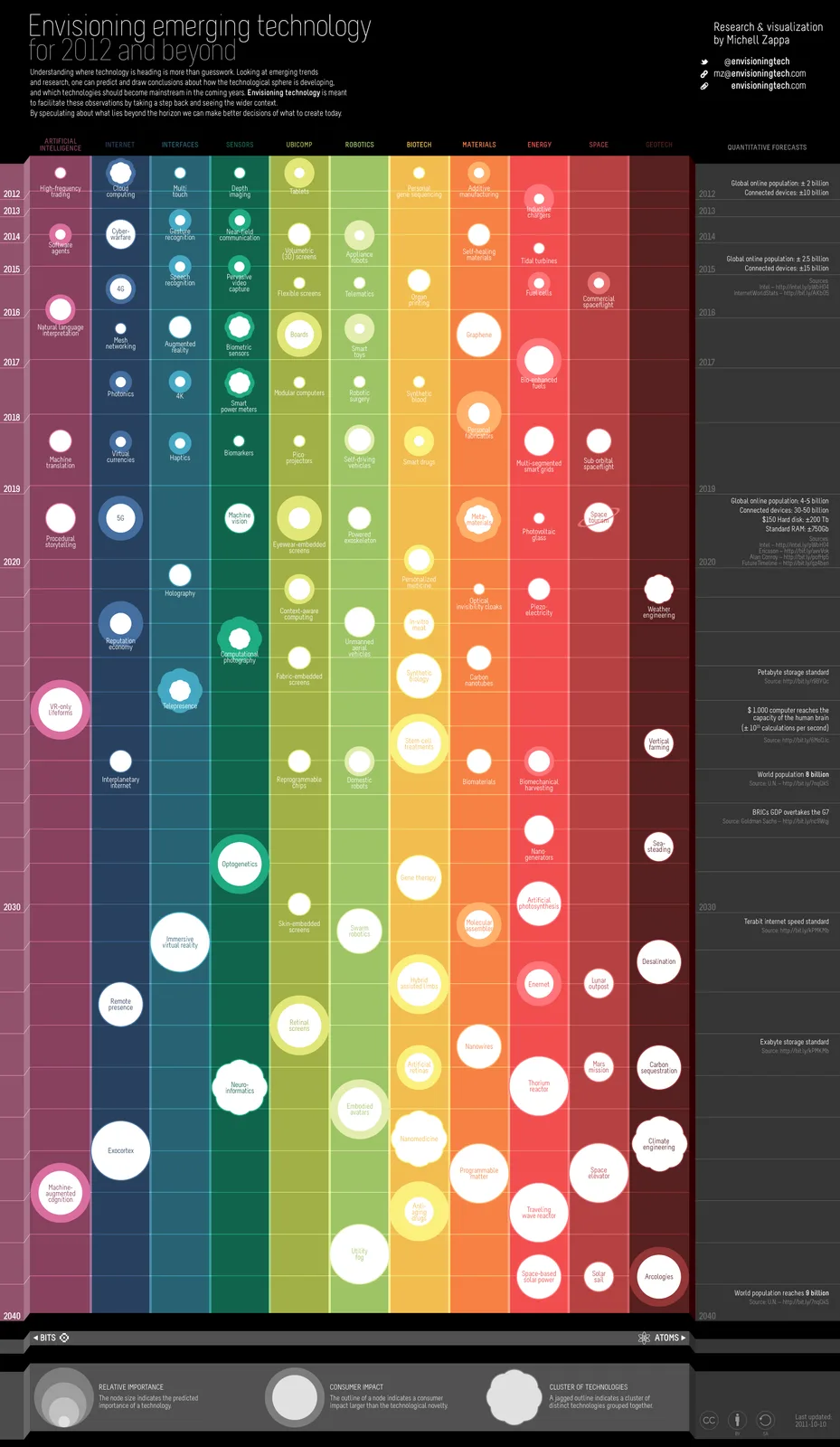
Windows is still the most-targeted desktop OS on earth, and infostealer malware doesn't care that it's running in a VM. In fact, a VM that shares folders with your Mac can hand an attacker a bridge straight into your macOS files. If you want to understand how modern credential-theft malware operates, our deep dive on Cover image: File:Envisioning emerging technology for 2012 and beyond.png by Michell Zappa, licensed under BY-SA 2.0 via Openverse.