If you've ever tried to get ISO 27001 certified without dedicated tooling, you already know the pain: dozens of spreadsheets, a Statement of Applicability that lives in three versions across four inboxes, and evidence screenshots scattered in a shared drive nobody trusts. The 2022 revision of the standard tightened things further, collapsing the old 114 Annex A controls into 93 grouped across four themes and adding 11 brand-new ones covering threat intelligence, cloud security, and data leakage prevention. Manual compliance in 2026 is not just slow. It's a liability.
Here's a stat that surprises most first-time certifiers: organizations using dedicated compliance automation platforms report reaching audit-ready status in roughly 3 to 4 months, while spreadsheet-driven teams routinely take 9 to 12 months and burn far more internal hours. The tooling difference alone can shift your certification timeline by two full quarters.
In this guide I'll walk through what ISO 27001 compliance software actually does, compare the leading platforms for 2026 on the criteria that matter, run through a real cost and timeline example, and give you a step-by-step process for evaluating tools before you sign a contract. I've sat through enough Stage 2 audits to know where these platforms shine and where they quietly leave gaps.
Key Takeaways
- Automation is the whole point. The best tools continuously collect evidence from your cloud, HR, and identity systems so you're not manually screenshotting the night before an audit.
- Integration count matters more than feature count. A platform that connects to your actual stack (AWS, Google Workspace, GitHub, Okta) beats one with a longer marketing checklist.
- Budget realistically: expect $7,000 to $25,000/year for software, plus $10,000 to $20,000 for the audit itself.
- Multi-framework support pays off if you'll also need SOC 2 or GDPR, since most controls overlap heavily.
- Software gets you 70% there. You still need real security controls in place, from endpoint hardening to web application protection.
- Vet every plugin and tool you deploy as part of your control set, not just the compliance platform itself.
What ISO 27001 Compliance Software Actually Does
ISO 27001 compliance software is a platform that helps you build, operate, and prove an Information Security Management System (ISMS). It's not magic. At its core it does four jobs well.
- Control mapping: It maps your policies and technical controls against the 93 Annex A controls and the mandatory clauses 4 through 10, then shows you exactly what's missing.
- Evidence collection: Through integrations, it automatically pulls proof that controls are working, like screenshots of MFA enforcement, encryption settings, or access review logs.
- Risk management: It runs your risk assessment, tracks treatment plans, and generates your Statement of Applicability.
- Audit readiness: It packages everything into a view your auditor can review, often with dedicated auditor access.
The difference between a good platform and a mediocre one comes down to how much of the evidence collection is genuinely automated versus how much you still do by hand. A tool that "supports" ISO 27001 but requires you to manually upload every artifact is barely better than a well-organized folder.
The Mandatory Documents You Cannot Skip
Regardless of tooling, ISO 27001 requires specific documented information. Good software generates or templates these for you:
- ISMS scope statement
- Information security policy
- Risk assessment and risk treatment methodology
- Statement of Applicability (SoA)
- Risk treatment plan
- Evidence of competence and training
- Internal audit results and management review minutes
Best ISO 27001 Compliance Software Compared for 2026
I've grouped the market into the platforms that consistently show up in real certification projects. Here's how the leading options stack up on the criteria that actually influence outcomes.
| Platform | Best For | Integrations | Multi-Framework | Auditor Access | Approx. Starting Price |
|---|---|---|---|---|---|
| Vanta | Fast-growing SaaS startups | 375+ | Yes (SOC 2, GDPR, HIPAA) | Yes | ~$11,500/yr |
| Drata | Companies wanting deep automation | 300+ | Yes (20+ frameworks) | Yes | ~$10,000/yr |
| Sprinto | Budget-conscious mid-market | 200+ | Yes | Yes | ~$7,000/yr |
| Secureframe | Teams wanting hands-on support | 250+ | Yes | Yes | ~$9,000/yr |
| ISMS.online | Doc-heavy, consultant-led projects | Limited (fewer live integrations) | Yes (ISO family focus) | Yes | ~$5,500/yr |
Vanta
Vanta remains the default recommendation for venture-backed startups, largely because of its integration breadth and polished UX. Its automated tests run continuously and flag drift the moment a control breaks. The tradeoff is price and a tendency to feel like a "checklist factory" if you let it drive the whole program without security judgment.
Drata
Drata is Vanta's closest competitor and, in my experience, has the edge on automation depth and control granularity. Its risk management module matured significantly in the last two years. If you plan to stack multiple frameworks over time, Drata's shared control model reduces duplicate work.
Sprinto
Sprinto has become the value pick for mid-market teams outside the US, offering strong automation at a noticeably lower price point. It's less flashy but gets the job done, and its support tends to be responsive.
Secureframe and ISMS.online
Secureframe differentiates on human support, pairing you with compliance experts who actually review your setup. ISMS.online takes a documentation-first approach that consultants love but that leaves more evidence collection manual. Choose it only if you have a consultant driving the project.
A Worked Example: Cost and Timeline for a 40-Person SaaS Company
Let's make this concrete. Say you run a 40-person B2B SaaS company on AWS, using Google Workspace, GitHub, and Okta. Your enterprise deals are stalling because prospects keep asking for an ISO 27001 certificate. Here's a realistic path.
Before automation (spreadsheet approach):
- Timeline: ~10 months
- Internal effort: 1 person at roughly 60% capacity for the duration
- Consultant fees: $18,000
- Certification audit (Stage 1 + Stage 2): $14,000
- Evidence gathered manually, re-collected before the audit
After automation (Drata or Sprinto):
- Software: $10,000/yr
- Timeline: ~4 months to audit-ready
- Internal effort: 1 person at ~30% capacity
- Consultant fees: $8,000 (lighter scope, since tooling handles evidence)
- Certification audit: $14,000
The software line item looks like an added cost until you count the 6 months of saved calendar time and roughly 400 fewer internal hours. For a company where a single enterprise contract is worth six figures, closing deals two quarters earlier dwarfs the tooling spend. That's the math that makes ISO 27001 compliance software an easy yes.
How to Evaluate ISO 27001 Compliance Software (Step by Step)
Don't pick a platform from a comparison table alone. Run this process before committing to an annual contract.
- List your actual tech stack first. Write down every system that holds data or manages access: cloud provider, identity provider, code repos, HR system, endpoint management. Your platform must integrate with these natively.
- Count the integrations that matter, not the total. A tool advertising 375 integrations is useless if it doesn't cover your specific EDR or your ticketing system. Verify each one exists and is live, not "coming soon."
- Request a real trial with your own data. Connect one or two integrations during the trial. See how the automated tests behave against your live environment, not a demo sandbox.
- Check auditor compatibility. Ask which certification bodies and auditors the vendor works with regularly. A platform your auditor already knows shortens the review.
- Test the evidence export. Ask to see what the auditor view looks like. Messy or unclear exports create friction during Stage 2.
- Confirm multi-framework roadmap. Even if you only need ISO 27001 today, SOC 2 or GDPR usually follow. Shared controls save real money later.
- Scrutinize the total cost. Watch for add-on fees on extra frameworks, extra employees, or trust center features. The sticker price is rarely the final number.
Where Compliance Software Stops and Real Security Begins
This is the part vendors gloss over. Compliance software proves your controls exist. It does not create the controls. If your web application is leaking data, no automated evidence collector will save you during an incident, and a certificate won't help your reputation afterward.
ISO 27001 Annex A explicitly covers application security, secure configuration, and protection against malware. That means your actual defensive stack matters as much as your dashboard. A few areas teams routinely under-invest in:
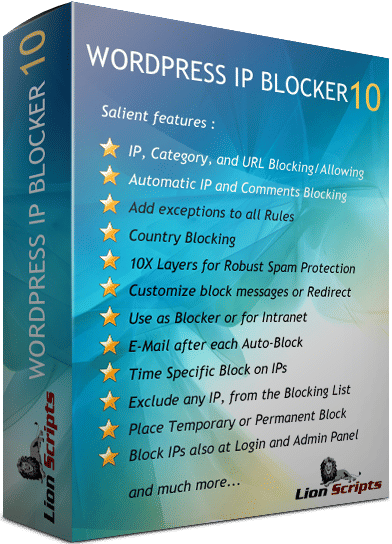
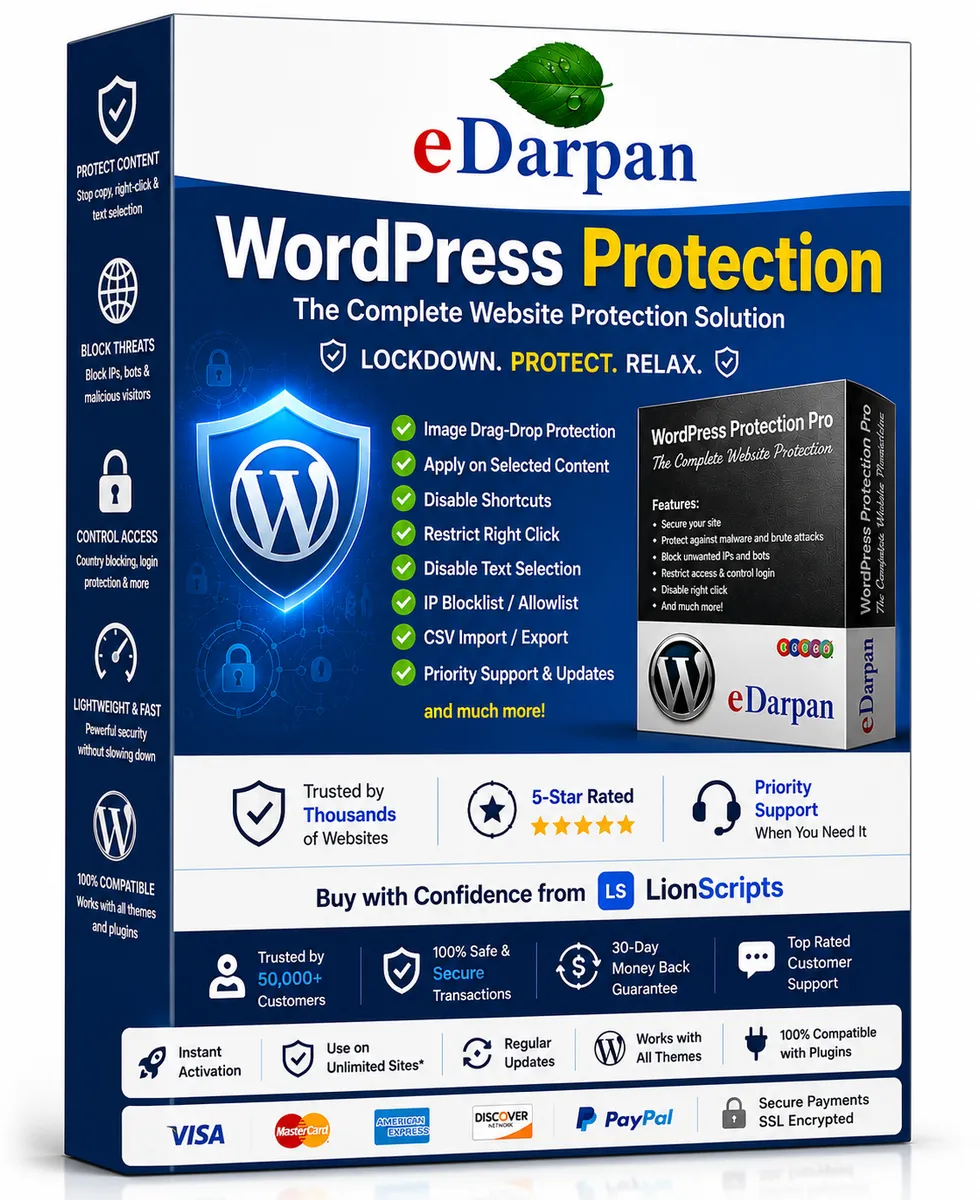
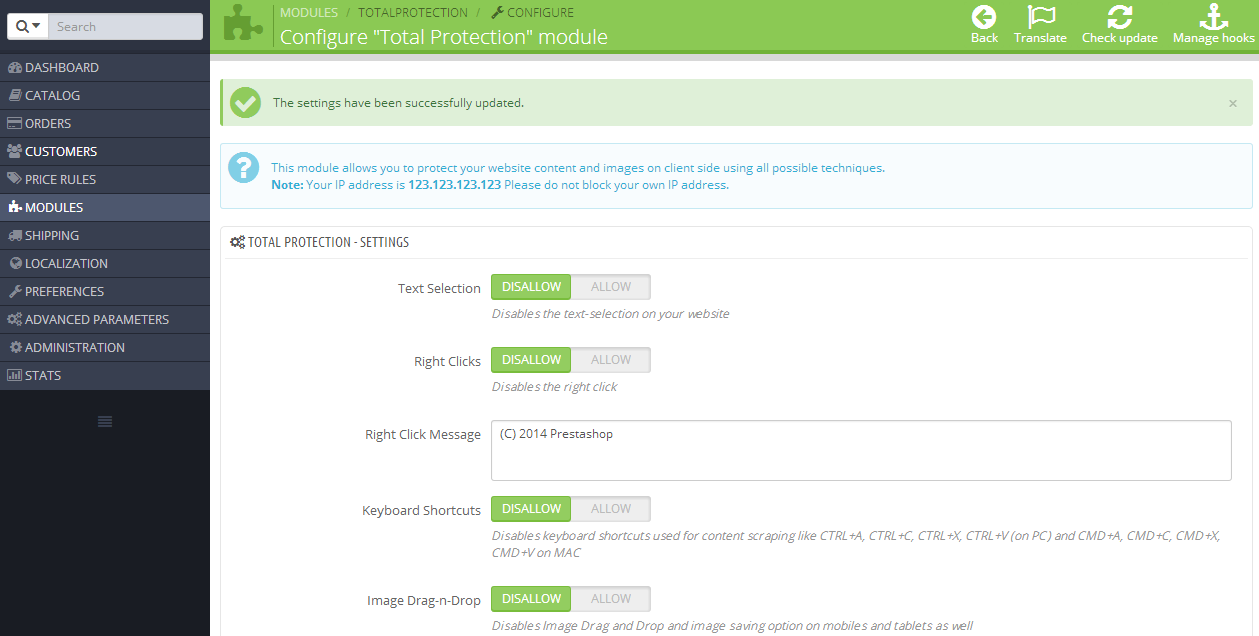
- Web application hardening. If you run WordPress, Joomla, or PrestaShop, these are constant attack targets. Tools like eDarpan WordPress Protection and Prestashop Total Protection Pro address the exact "protection against malicious code" controls auditors ask about.
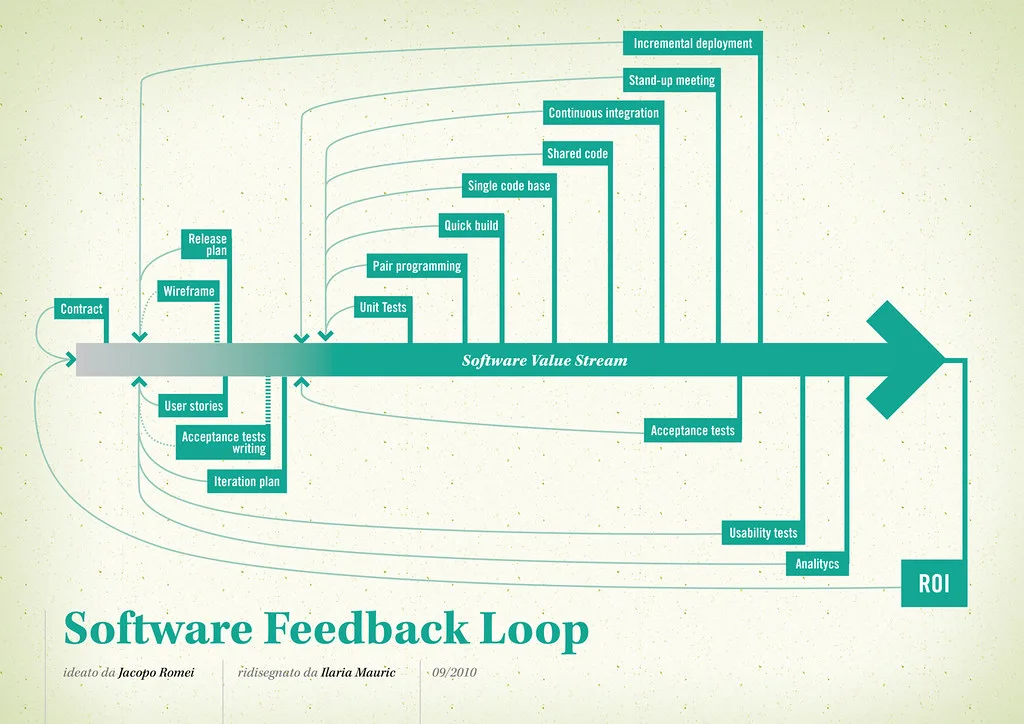
- Access and network controls. Blocking hostile traffic maps directly to network security controls. A focused tool like Cover image: Software value feedback loop by jakuza, licensed under BY-SA 2.0 via Openverse.